Two fire-starting methods that look similar but work in very different ways.
Have you ever heard someone refer to a ferrocerium rod as a flint and steel? If you have spent any time around newer outdoor enthusiasts, chances are you have.
It is one of those terms that has become so common that many people do not realize there is a difference. Although both methods are used to create sparks for starting a fire, they work in very different ways.
So, what is the difference?
Flint and Steel
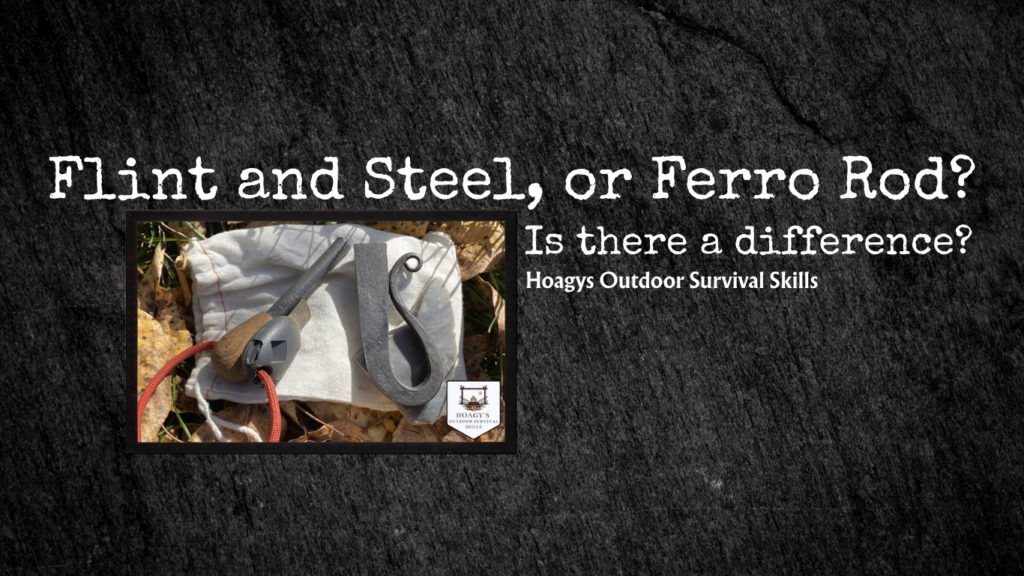
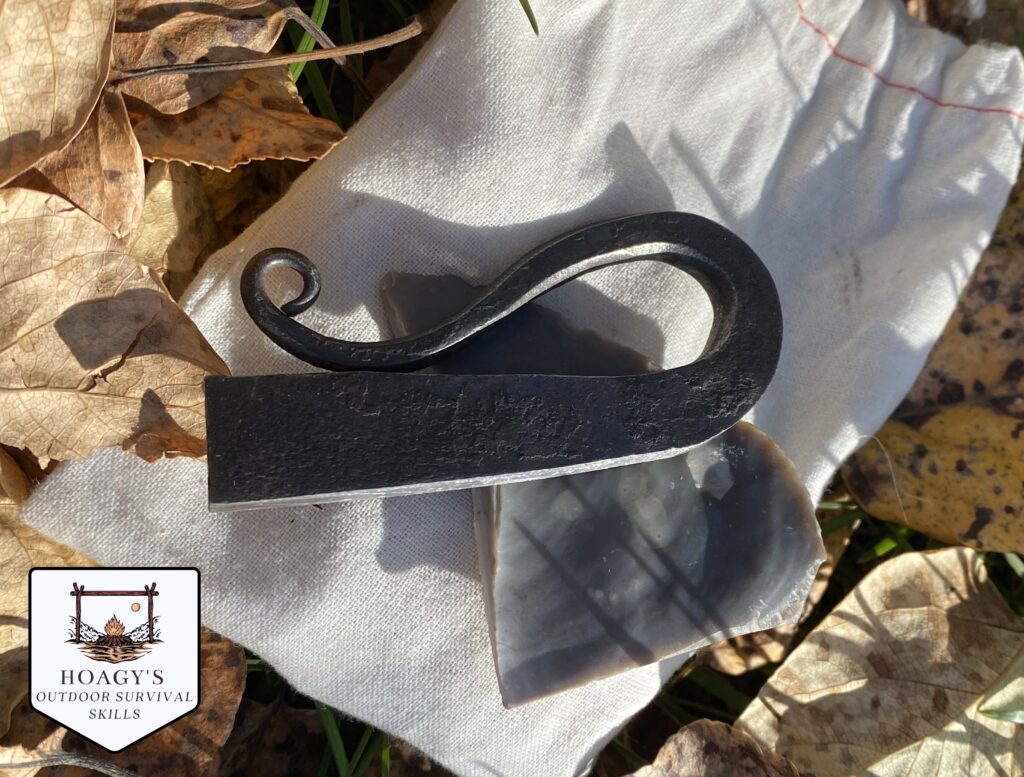
Traditional flint and steel is a method of fire starting that has been used for centuries. It involves striking a piece of hard stone, such as flint or quartz, against a piece of high-carbon steel.
The impact shaves tiny particles of steel from the striker. These particles heat up and react with oxygen in the air, producing the sparks used to ignite a tinder material.
The stone itself does not produce the sparks. Its hard, sharp edge helps remove the tiny steel particles.
Traditionally, char cloth or another prepared tinder is used to catch the spark and create a glowing ember. That ember can then be transferred to a tinder bundle and coaxed into a flame. (refer to my article on char cloth)
This method requires a little more preparation and technique, but it is a rewarding skill to learn.
Ferrocerium Rod
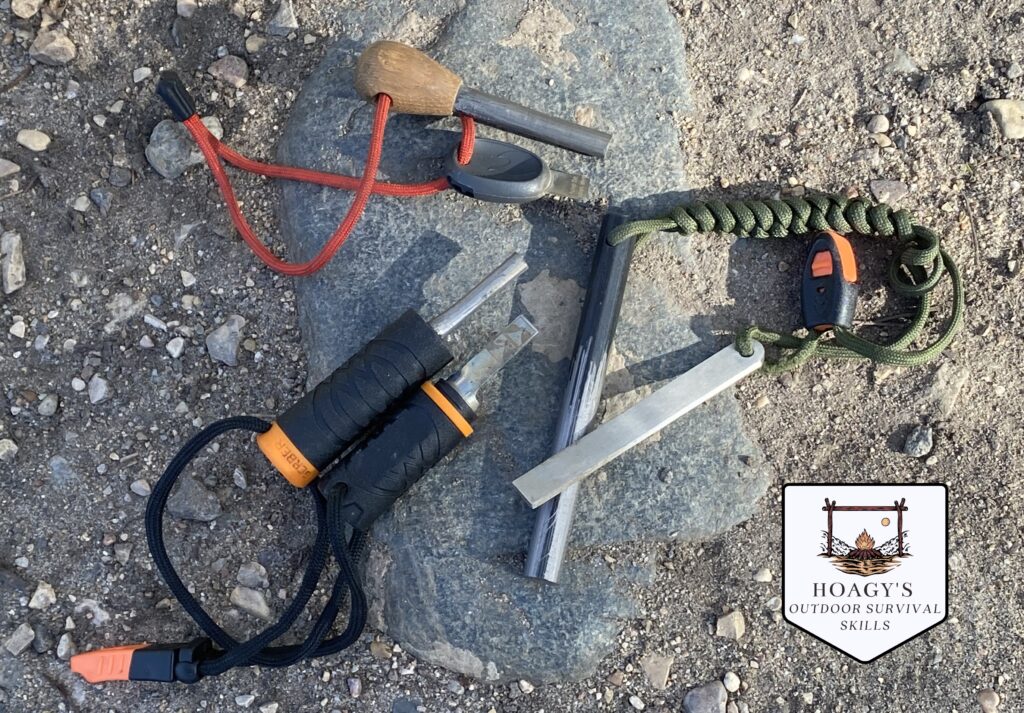
A ferrocerium rod, often shortened to ferro rod, is a modern fire-starting tool that is frequently mistaken for traditional flint and steel.
Ferrocerium is a metal alloy containing cerium and iron, along with other elements. When a steel striker scrapes material from the rod, the tiny shavings ignite and produce a shower of hot sparks.
Unlike traditional flint and steel, the sparks come from the ferrocerium itself, not from the steel striker.
Ferro rods are popular because they are compact, durable, and capable of producing sparks in a wide range of weather conditions. They can be used to ignite suitable tinder directly, although the type and preparation of the tinder still matter.
They are available in a variety of sizes and styles, from small rods attached to keychains to larger rods designed for repeated use.
So, What Is the Difference?
The easiest way to remember it is this:
- Flint and steel: The steel produces the sparks when struck against a hard stone.
- Ferrocerium rod: The rod produces the sparks when scraped with a steel striker.
Both methods can be used to start a fire, but they require different techniques and an understanding of how to catch and nurture the sparks.
The tool is only one part of starting a fire. Knowing how to create an ember, prepare your tinder, and build a flame is what turns a spark into a fire.
A Skill Worth Learning
At Hoagy’s Outdoor Survival Skills, I believe that understanding the tools we carry is just as important as knowing how to use them.
A ferro rod is a great piece of equipment to have in your fire-starting kit, but traditional flint and steel is another skill worth exploring. Each offers a different experience and a different lesson in firecraft.
The next time you hear someone call a ferro rod a flint and steel, you will know there is a little more to the story. And if you have never tried either method, perhaps it is time to get out there and make a few sparks.
Until next time,
Hoagy