The time, effort, and energy to build protection from the ground up.
How long do you think it would take you to build a shelter from nothing but what you could find in the forest?
I do not mean a shelter that looks impressive in a photograph. I mean one that will actually protect you from wind, rain, and the cold, and provide a reasonable place to spend an unexpected night outdoors.
The answer might surprise you.
We often talk about shelter as one of the basic priorities of survival. Find a good location, gather some materials, build a shelter, and stay protected. It sounds simple enough when broken down into a list.
The reality is much different.
A natural shelter can take hours to build, particularly if you are starting with nothing and need to gather all of the materials yourself. Even when you know what you are doing, there is a tremendous amount of work involved in finding suitable materials, which can change throughout the seasons, constructing a framework, covering the shelter, and gathering enough insulation to make it useful.
I was reminded of this recently while instructing the shelter portion of Ranger Lake Bible Camp’s Survival Camp.
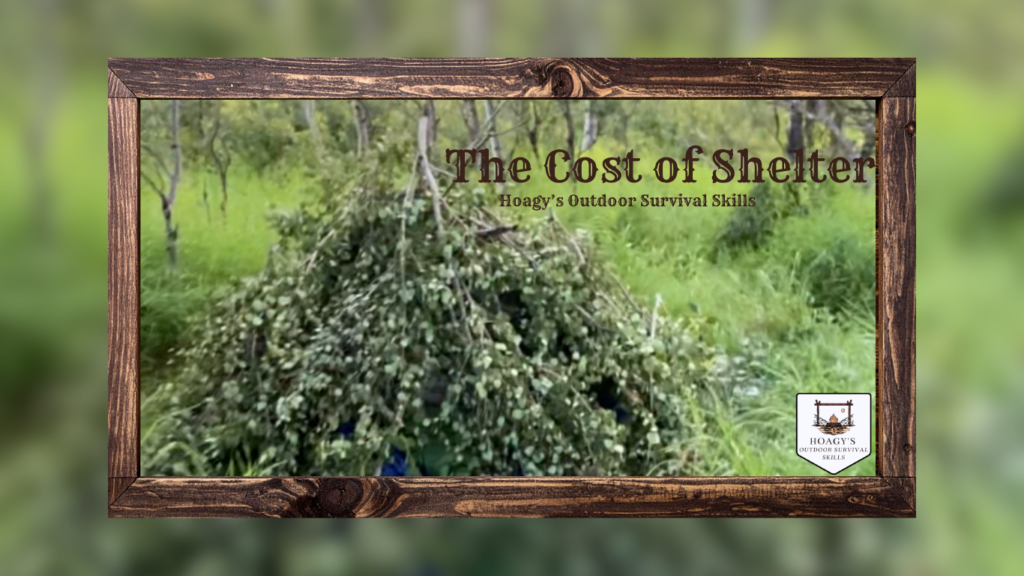
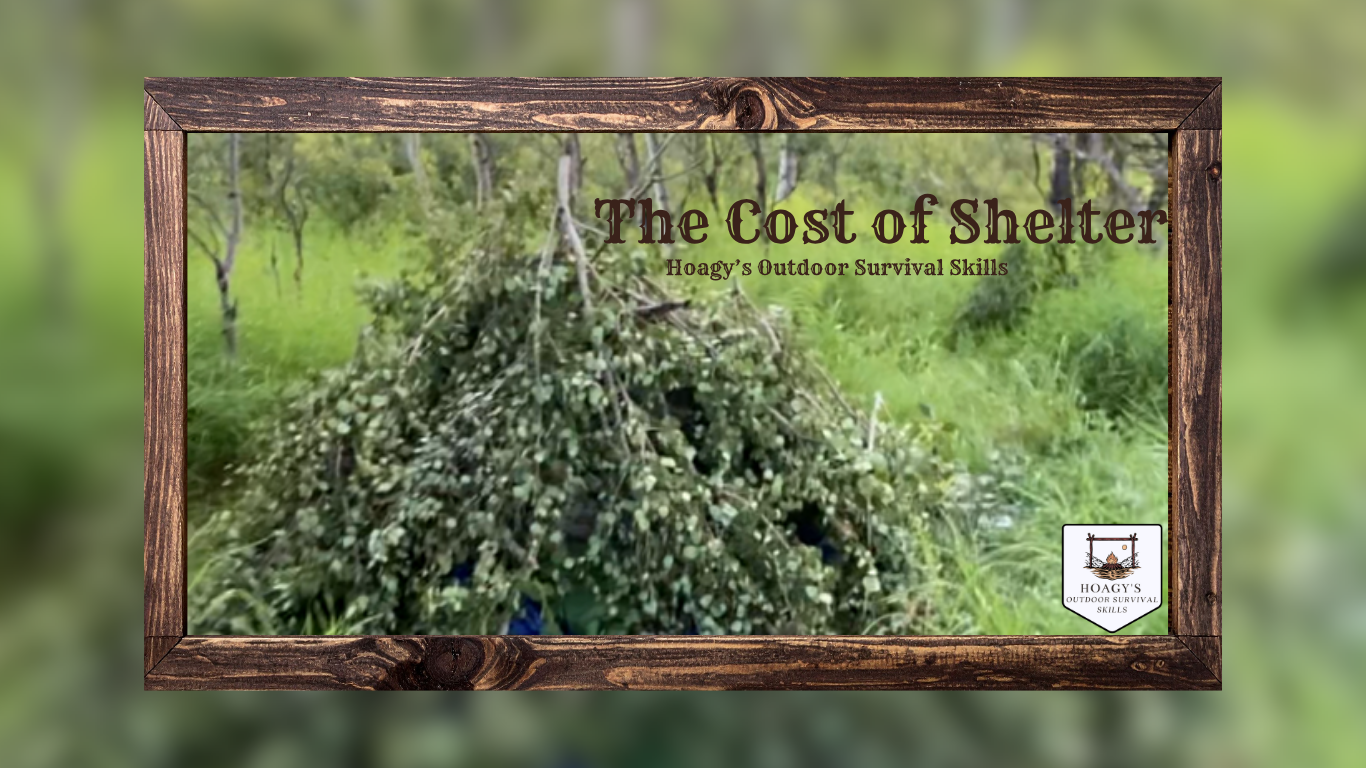
For the final overnight trip, the campers had the opportunity to choose how they wanted to spend the night. Most chose a simple tarp pyramid shelter, modified to hang from a ridgeline instead of having a pole inside. One camper built a hybrid shelter using a wooden frame and a tarp wrapped around it in a tipi-style configuration. Another built a shelter entirely from natural materials. There was also a tarp A-frame, a tarp plough point, and two of the leaders decided to sleep out under the stars.
Everyone had made a choice based on the equipment, skills, and level of protection they wanted.
Then, at 0300 hrs, it rained.
It turned out to be an excellent practical lesson in shelter.
Not everyone who chose a tarp shelter stayed dry. Some campers and leaders discovered an important lesson about the groundsheet, the tarp or other material placed between you and the ground.
A groundsheet is meant to keep moisture from the ground away from your sleeping system. However, it can also create a problem if it extends beyond the edges of your shelter. Rain falling on that exposed portion can collect and be directed right into the shelter and, in some cases, directly toward a sleeping bag.
The lesson was simple: keep your groundsheet inside the shelter footprint.
Small details like this can make a tremendous difference.
That said, several campers successfully navigated the night, myself included, and remained isolated from the rain that fell. Their shelters worked because they were properly set up and the occupants understood how to use them.
The rain did not care whether the shelter was a tarp pyramid, an A-frame, a plough point or a natural-material shelter. It was attention to the fine details during construction that mattered.
And that brings me back to the original question: how long does a shelter take?
A natural shelter can take hours to build.
It is easy to underestimate the amount of work involved because we tend to think of the finished shelter rather than everything required to get there.
First, you need to find a suitable location (I cover picking a location in It’s an Unexpected Overnight). Then you need to identify and gather structural materials. You may need to cut or break poles, construct a framework, collect smaller branches or other covering material, and then gather enough insulation to make the shelter useful.
That last part is especially important.
A shelter with a beautiful framework but only a thin layer of branches over it may look impressive, but it will do very little to keep you warm. A properly insulated natural shelter can require a surprising amount of material. That material has to be found, gathered, carried, and placed.
That takes time, and it also takes energy.
Imagine finding yourself outdoors late in the day with no shelter equipment. You are cold or wet, the temperature is dropping, and you have just a handful of daylight hours left.
You now have a decision to make.
Do you spend your energy building a natural shelter?
If so, what type?
Where will you build it?
What materials are available?
How long will it take to gather them?
How much insulation will you need?
And perhaps most importantly, how much energy will you have left when you are finished?
The last question is easy to overlook.
Survival shelter is not just about building a roof over your head. A shelter needs to help protect you from the conditions around you, and in a cold-weather situation, insulation becomes critical.
This is one of the reasons I encourage people to think about shelter before they actually need one. If the weather is deteriorating, beginning your shelter while you are still warm, dry, and capable of working is very different from starting after you are already cold and exhausted.
It is far easier to stay warm than it is to warm up once you are already cold. (more on this my article Not Lost, Just Exposed)
This is also where practice becomes important.
The first time you build a natural shelter, you will probably spend a lot of time figuring out what works. You will make decisions about materials, construction, and site selection as you go.
With practice, you become faster.
You learn which materials are useful during that season. You learn what size of shelter you actually need. You learn how much insulation is enough. You learn how to organize the work so you are not constantly walking back and forth collecting materials.
You shorten the timeline, but you do not eliminate it. A natural shelter still requires time and energy, even for someone who knows what they are doing.
The same principle applies to shelters made from equipment you carry. A tarp shelter may take only minutes to construct, but that does not mean it is automatically effective. How you pitch it, where you place it, how you manage water runoff, and how you protect yourself from the ground can all determine whether you wake up dry or spend the night discovering that your sleeping area has become a sponge.
The goal is not simply to build a shelter. The goal is to build a shelter that actually shelters you – and that is an important distinction.
Carrying a few simple shelter items can make a tremendous difference. A tarp, some cordage, rain gear, or an emergency shelter can provide protection much faster than starting from the forest floor and building everything from scratch.
This does not mean you should never build a natural shelter. Quite the opposite. Learning how to use the materials around you is an incredibly valuable survival skill, and there are situations where it may be your only option. It is important, however, to understand what that skill actually requires before you need it.
A natural shelter is not free, there is a cost.
You pay for it with time, effort, and energy.
So the next time you are heading outdoors, ask yourself a simple question:
If I had to spend the night here without the shelter I brought with me, how long would it take me to build something that would actually protect me?
That answer might change what you decide to carry, and it might change when you decide to start building.
Stay safe, stay prepared, and enjoy the outdoors.
Until next time,
Hoagy